
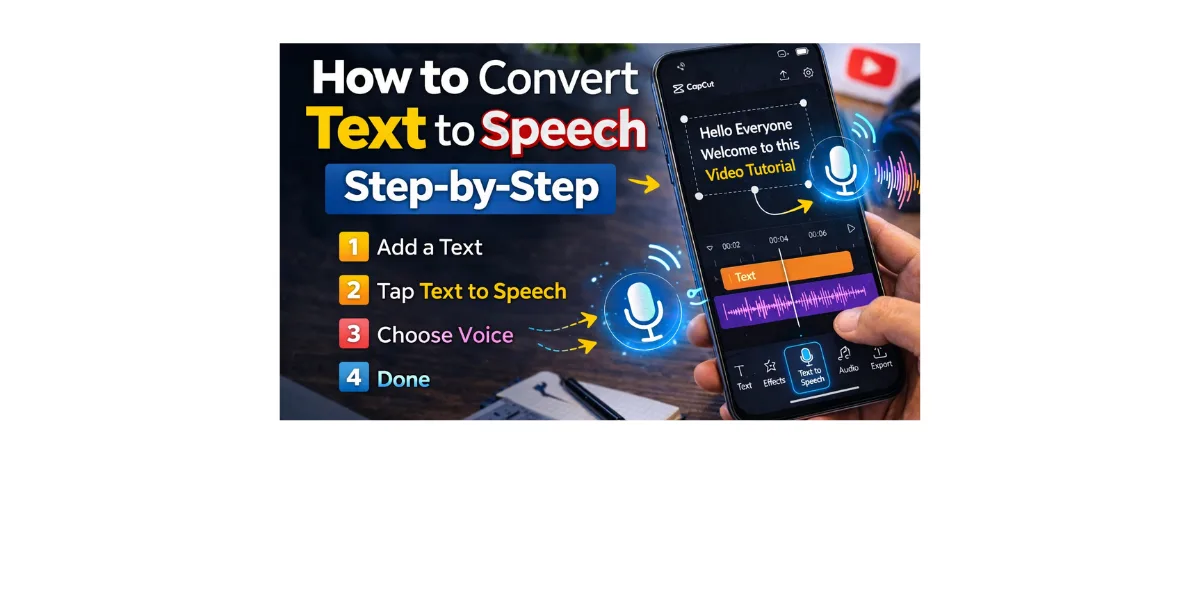
Creating engaging videos without recording your own voice can often feel time-consuming and frustrating. That’s where this feature becomes extremely useful. It allows creators to quickly turn written text into natural-sounding voiceovers, helping save time and effort during video production.
In 2026, this feature has become even more powerful. With realistic AI voices, support for multiple languages, and simple customization options, creators can produce clear and professional audio for YouTube videos, TikTok content, Instagram Reels, online tutorials, and much more within minutes.
What Is Text to Speech?
This (TTS) feature turns written text into natural-sounding voiceovers in just a few clicks. You do not need recording equipment or professional voice skills. Simply type your script, choose a voice, and the tool will generate audio automatically.
This feature is especially useful for faceless content creators. Whether you are making tutorial videos, short social media clips, or educational content, you can quickly add clear narration and give your videos a more polished and engaging feel.
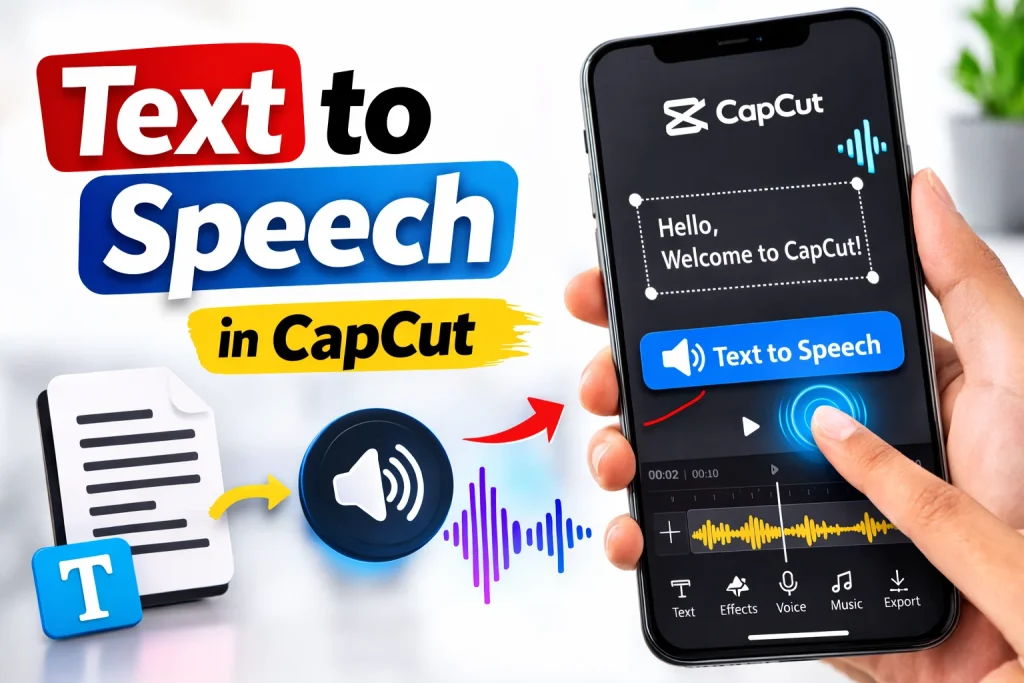
Is CapCut (TTS) Really Free in 2026?
In 2026, (TTS) features are still mostly free to use. You can type your script, choose a voice, and generate a clear, natural-sounding voiceover without paying anything.
Free features include:
Limitations:
Watermark:
What You Need Before Using Text to Speech
Before using this feature, make sure you have a few basic things ready:
Platforms That Support Text to Speech
It allows you to use the ( TTS) feature across multiple platforms, making it convenient to create voiceovers wherever you edit your videos.
No matter which platform you use, CapCut makes it simple to convert written text into clear and professional-sounding voiceovers.
How to Convert Text to Speech Only Step-by-Step
If you only need the voice without a video, it also allows you to generate and export audio directly from your text. This is useful for podcasts, narrations, or background voiceovers.
Step 1: Open CapCut and Start a New Project
Create a new project as you normally would, even if you do not plan to add any video clips.
Step 2: Add Your Text
Insert a text box and type the script you want to convert into speech.
Step 3: Select the Text-to-Speech Option
Choose the (TTS) feature and select the voice and language you prefer.
Step 4: Generate the Audio
Click Generate and preview the voiceover to make sure it sounds clear and natural.
Step 5: Export as an Audio File
Instead of exporting a full video, choose the option to save the audio file (such as MP3, MP4 or WAV, if available) and download it to your device.

Using this method, you can create clean and professional voiceovers without recording your own voice or editing a full video.
CapCut Text to Speech Voice Types
It provides a range of AI character voice options to help creators add natural and engaging narration to their videos. In 2026, you can choose from different voice styles that suit various types of content and platforms.
With these options, you can select a voice that matches your video’s tone and connects better with your audience.
How to Make CapCut Text to Speech Sound More Natural
Even the most advanced (TTS) voice can sound robotic if not adjusted correctly. With a few simple tweaks, you can make your voiceovers smooth, natural, and more engaging.
By applying these tips, your voiceovers will feel much more like a real person speaking rather than a robotic voice.
How to Edit, Replace, or Regenerate Voice
Sometimes your initial voice choice may not be perfect. It makes it easy to edit, replace, or regenerate voiceovers so your audio sounds exactly how you want.
These features allow you to perfect your narration and ensure your videos sound professional every time.
Common Problems and How to Fix Them
Even with a smooth tool like CapCut, you may encounter a few minor issues. Here is how to quickly resolve the most common (TTS) problems:
By following these quick fixes, you can keep your projects running smoothly and avoid delays.
Best Use Cases
It is not only convenient but also highly versatile. Here are some of the most effective ways creators use it:
These use cases help creators save time while producing professional-quality content effortlessly.
What is New in 2026
It continues to evolve, offering creators better results and a smoother workflow. In 2026, the focus is on more voice options and tighter integration with video editing tools.
These updates make this feature more powerful and user-friendly than ever, especially for creators who want high-quality audio without extra tools.
Conclusion
This feature makes creating professional voiceovers faster and easier than ever. From faceless YouTube videos to TikTok Reels, you can convert text into natural-sounding audio in seconds without recording yourself.
Do not let your videos go unnoticed. Try it free TTS feature today, add voiceovers that sound real, and bring your content to life in 2026!